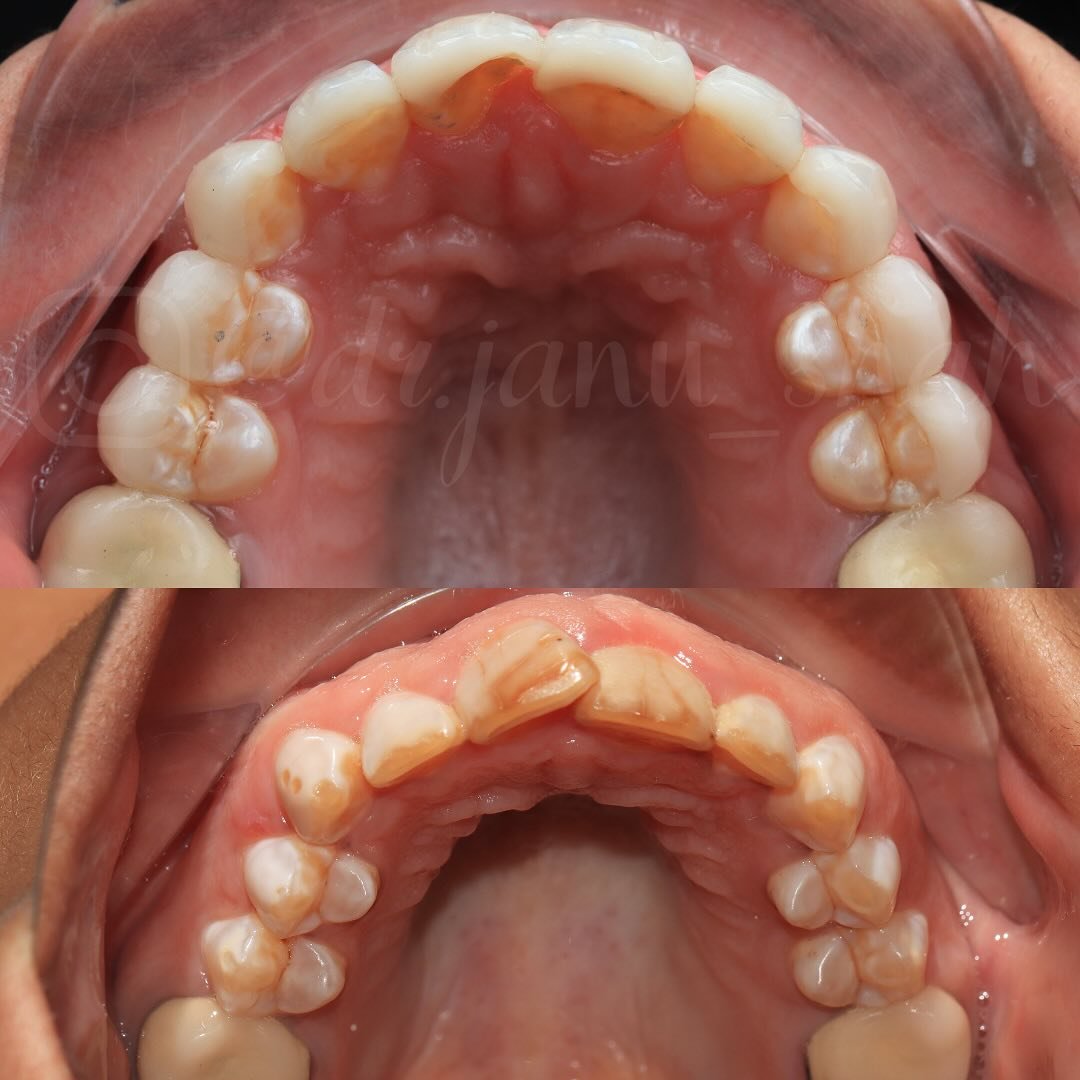
Esthetic and Functional Rehabilitation in a Case of Dental Fluorosis and Overlapping Incisors
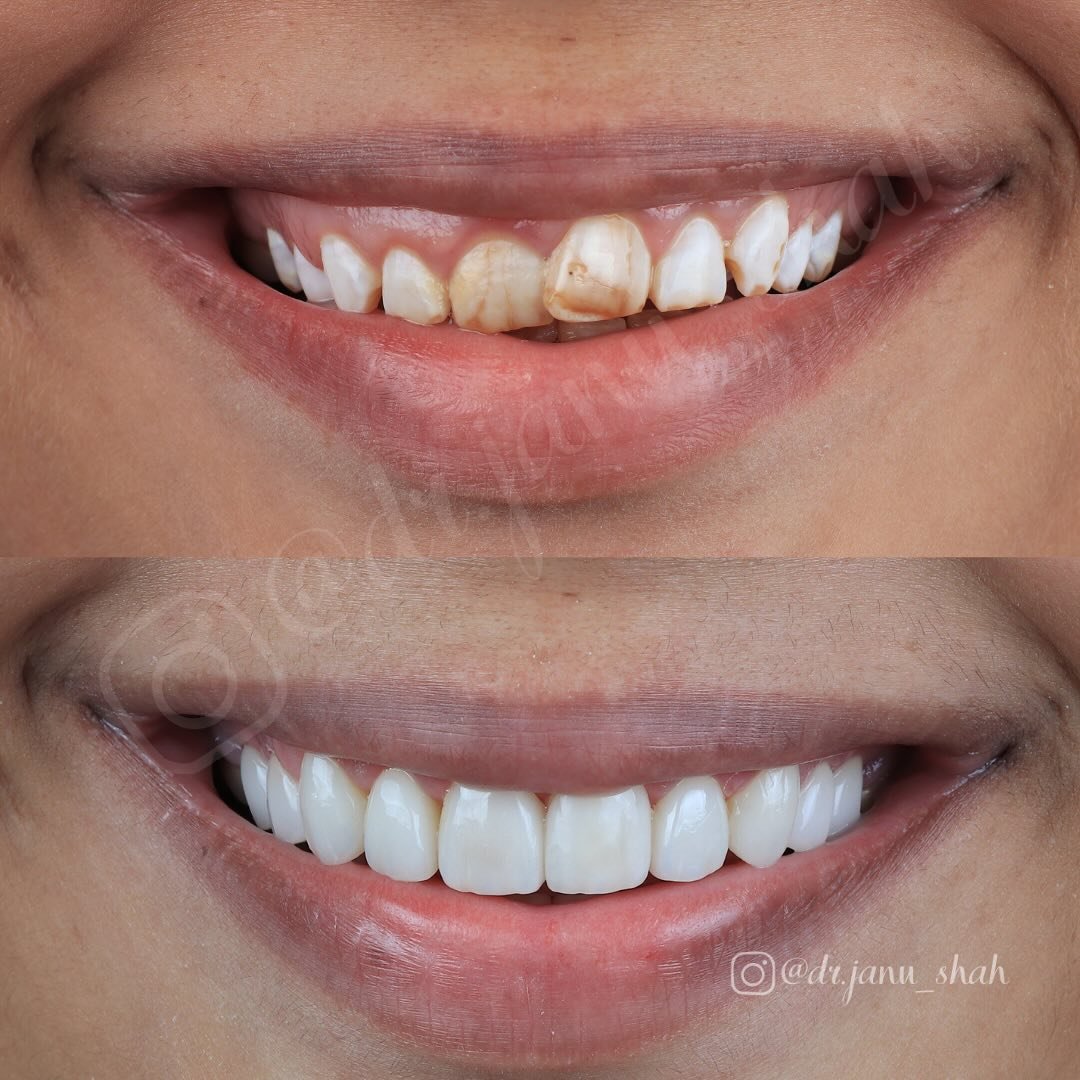
This case demonstrates the multidisciplinary management of a patient who presented with dental fluorosis, gingival and occlusal cant, deep traumatic bite, excessive incisal edge display, and severe wear on the lower incisors. The main goal was to improve the patient’s smile both esthetically and functionally using the most conservative methods possible.
Clinical Examination
On evaluation, the findings included:
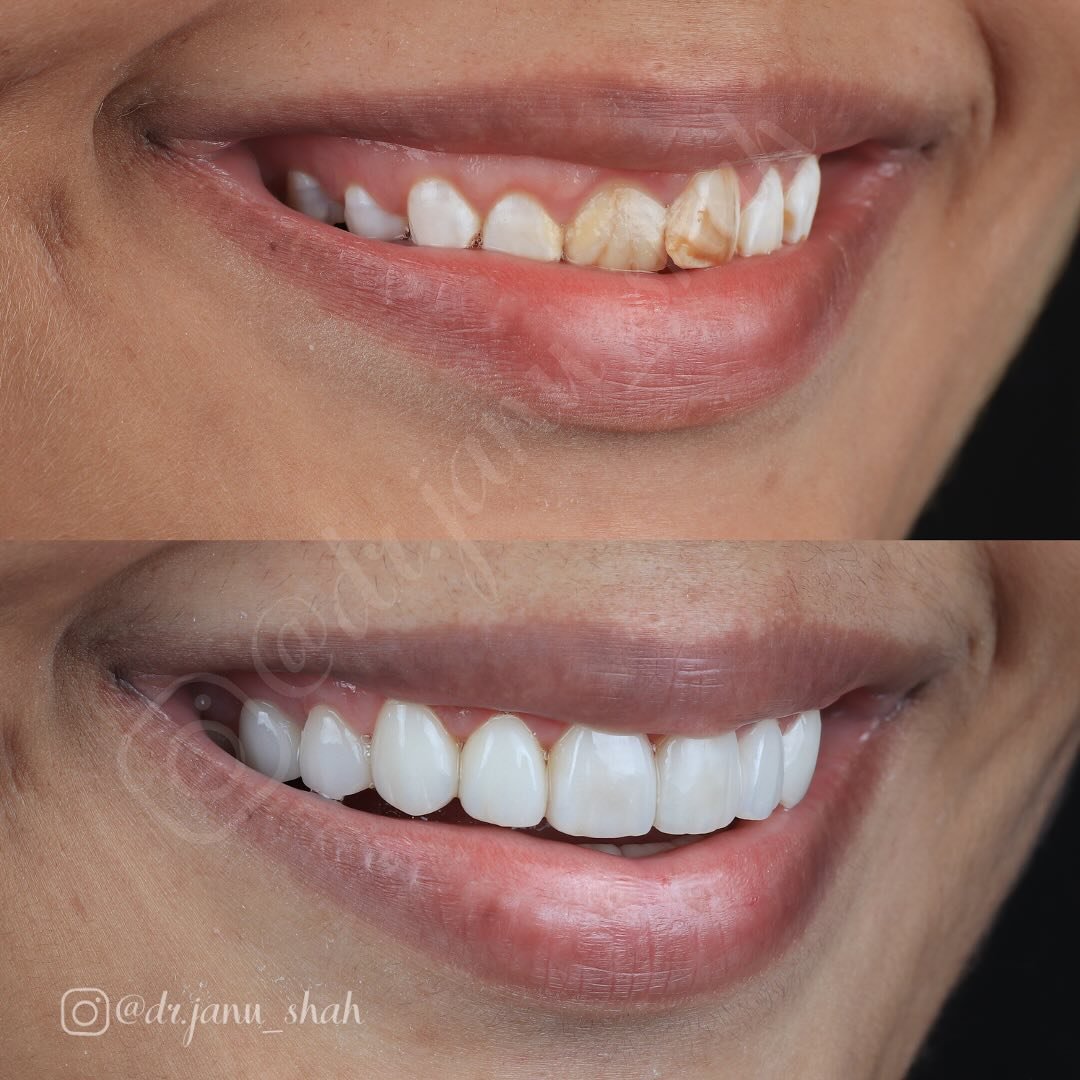
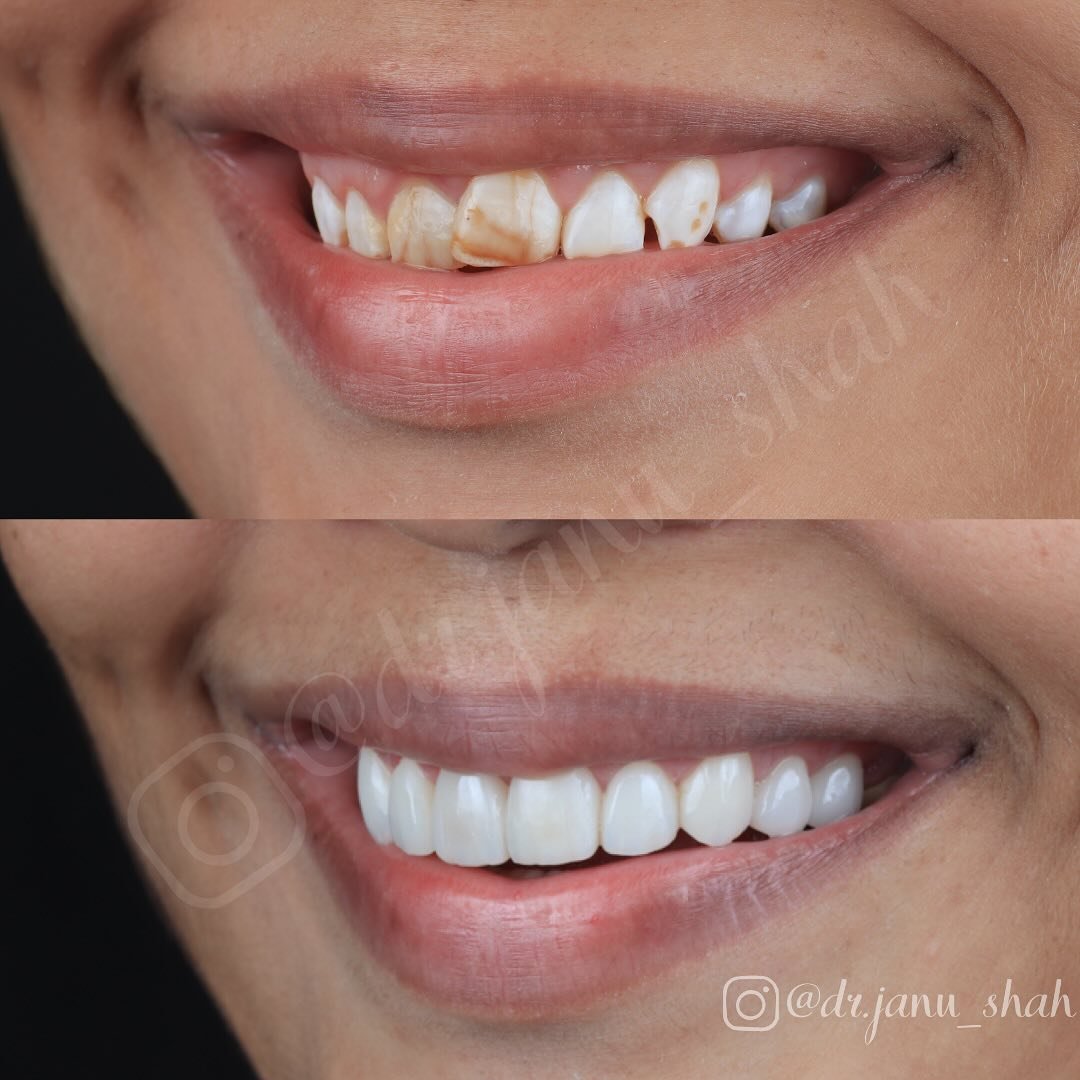
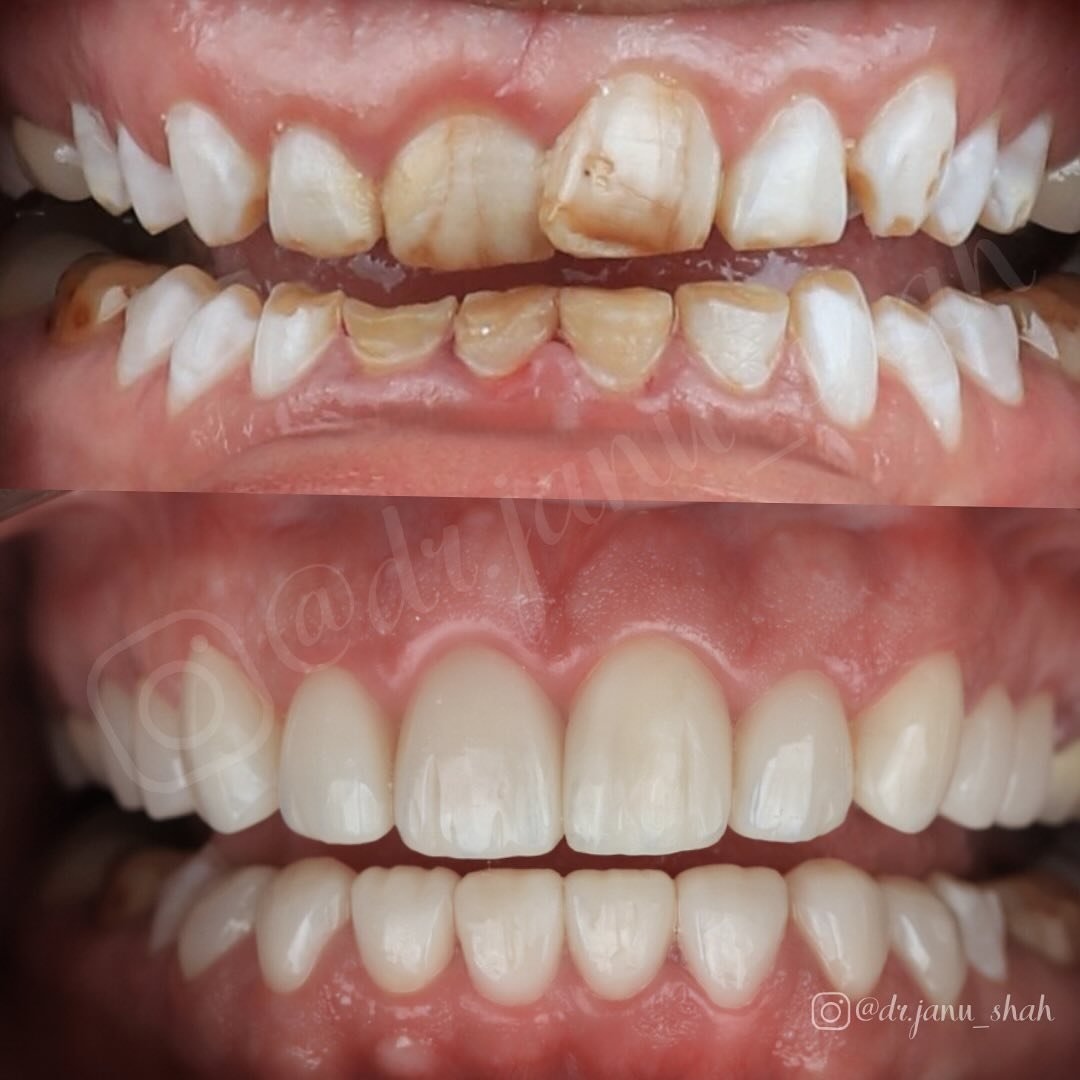
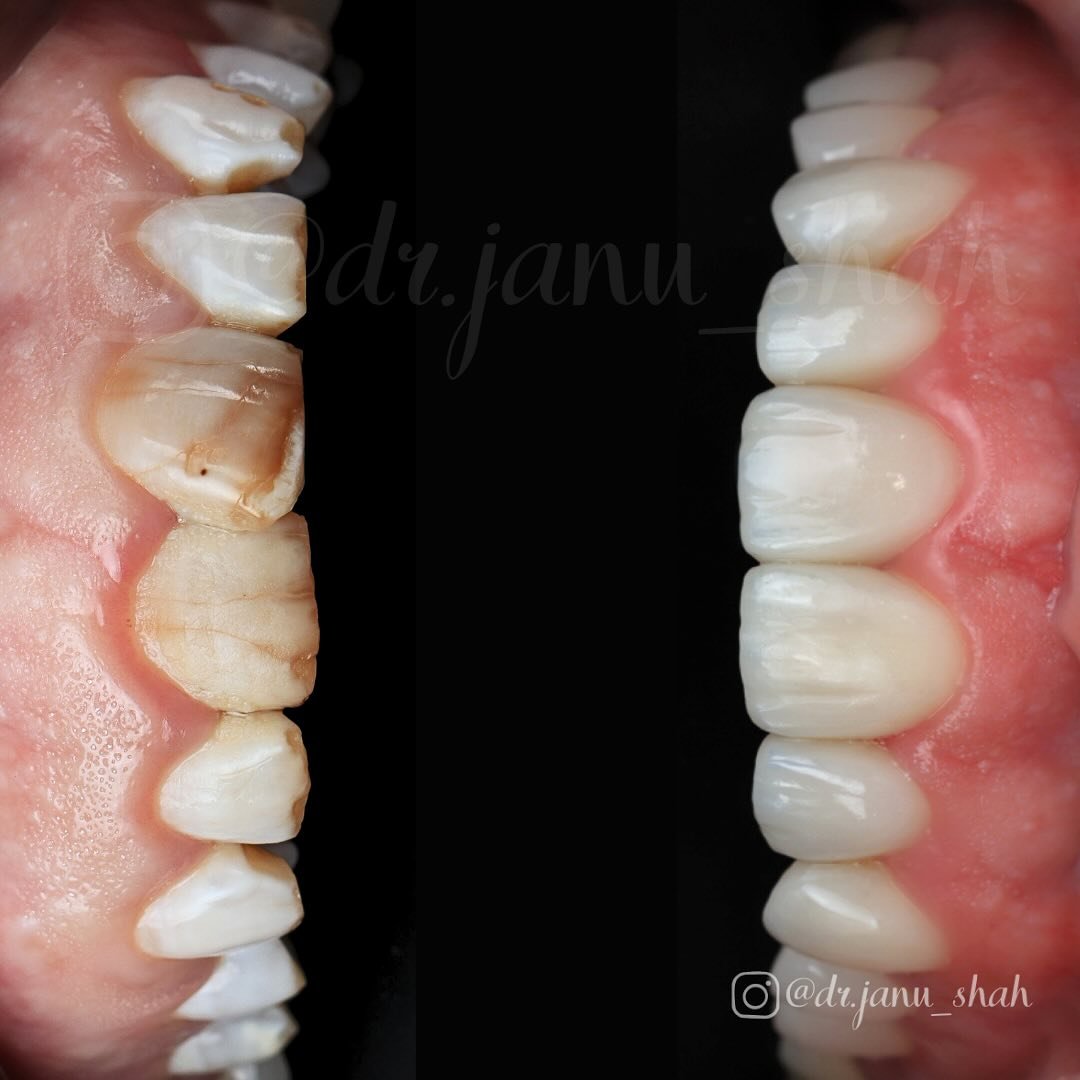
- Generalized dental fluorosis, most noticeable in the anterior teeth
- Gingival asymmetry with a distinct gingival cant
- Cant of the maxillary occlusal plane
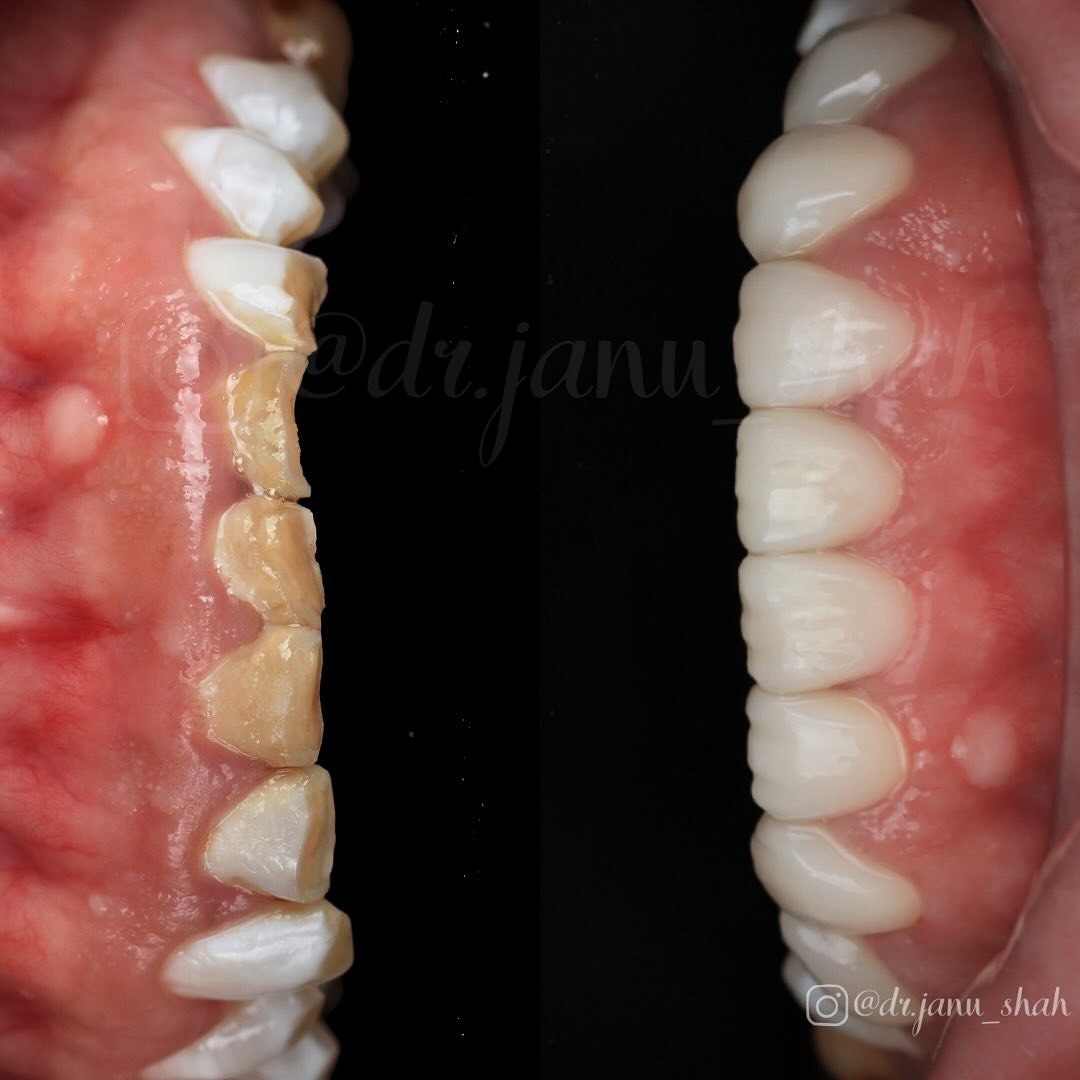
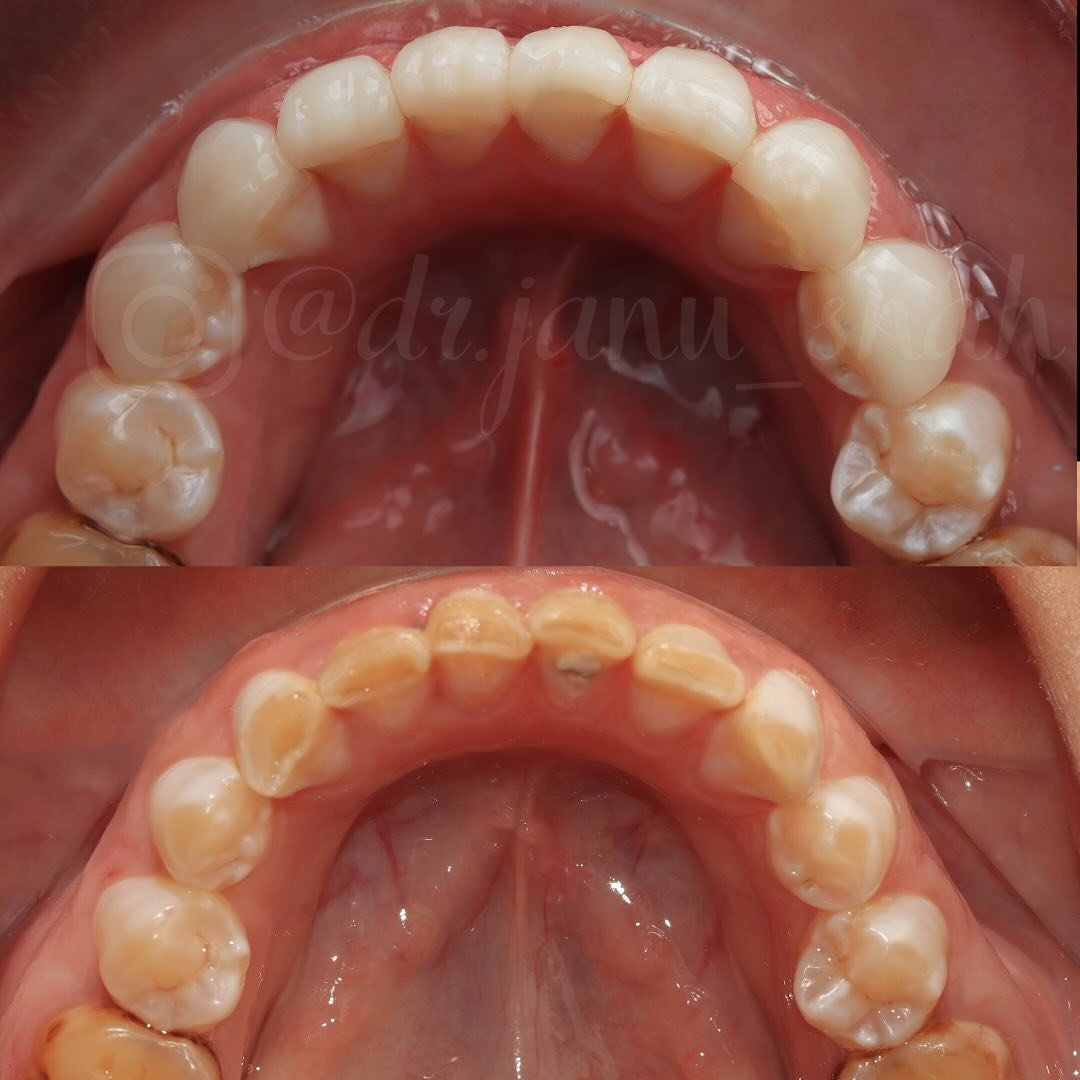
- Deep, traumatic bite with extensive wear on the lower incisors
- Overlapping maxillary incisors with excessive incisal edge display
Treatment Planning
The approach was designed to achieve esthetic and functional harmony while preserving natural tooth structure. Multiple options were considered. Together with the patient, the decision was made to use a stepwise approach consisting of soft tissue correction followed by minimally invasive restorations.
Step 1: Crown Lengthening
The first phase involved crown lengthening for both the upper and lower anterior teeth. This surgical procedure corrected the gingival cant and established a stable and pleasing gingival line, creating an optimal framework for subsequent restorative steps. The patient’s progress was monitored during a healing period of about four to six weeks to ensure ideal soft tissue contours.
Step 2: Veneer Restorations
Following successful tissue healing, restorative treatment began. Veneers were planned for ten upper and eight lower teeth, with a focus on minimal preparation and enamel preservation. The restorations were designed to manage both color and shape, effectively masking fluorosis, restoring incisal length, and correcting overlaps. Improved function was achieved by eliminating the traumatic deep bite and establishing a harmonious occlusion. Shade selection and try-in procedures were performed to ensure the esthetic outcome met the patient’s expectations.
Results
Treatment resulted in balanced gingival levels and a corrected smile line. The ceramic restorations provided a natural appearance and effectively masked the effects of fluorosis. The deep bite was resolved, and the previously worn lower incisors were protected. The patient expressed a high level of satisfaction with both the esthetic and functional results.
Discussion
This case illustrates that even severe esthetic and functional challenges, such as fluorosis, gingival and occlusal cants, and occlusal trauma, can be addressed successfully through careful sequencing of soft tissue management followed by conservative adhesive ceramic restorations. Critical factors for success included precise diagnosis, collaboration among dental specialists, and strong patient cooperation.
Conclusion
Careful planning, targeted soft tissue intervention, and conservative restorative techniques made it possible to restore esthetics and function in a complex clinical scenario. A minimally invasive, patient-focused strategy offers reliable outcomes for similar rehabilitations.