
Reversing Years of Wear with Additive Veneers
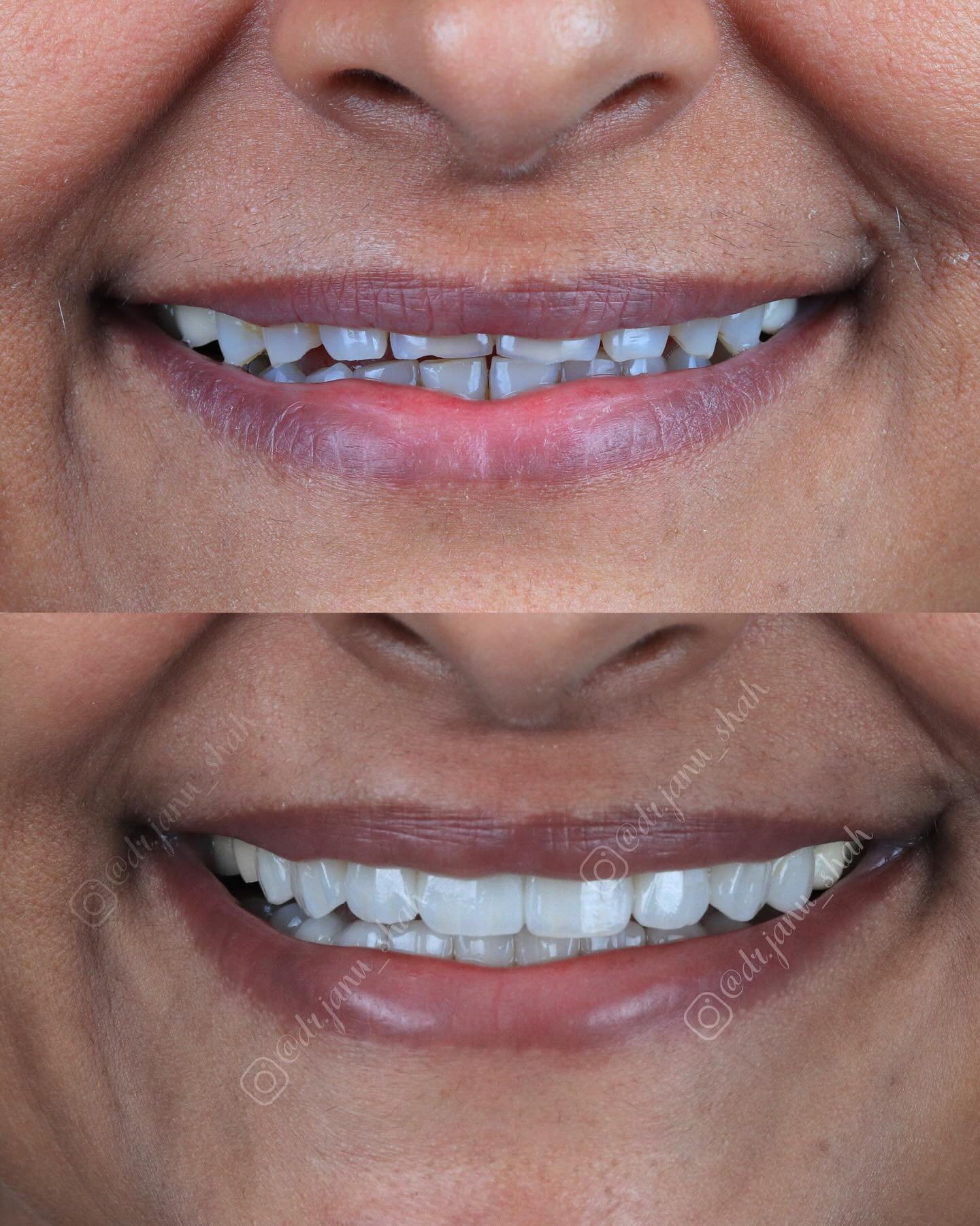
A youthful smile contributes significantly to a patient’s self-confidence and perceived age. This case centers on a patient who presented with concerns about an aging appearance, primarily due to significant dental wear which limited tooth display during speech and smiling. The goal was to rejuvenate her smile in a conservative, additive manner, restoring not only esthetics but also the patient’s self-image.
Clinical Assessment
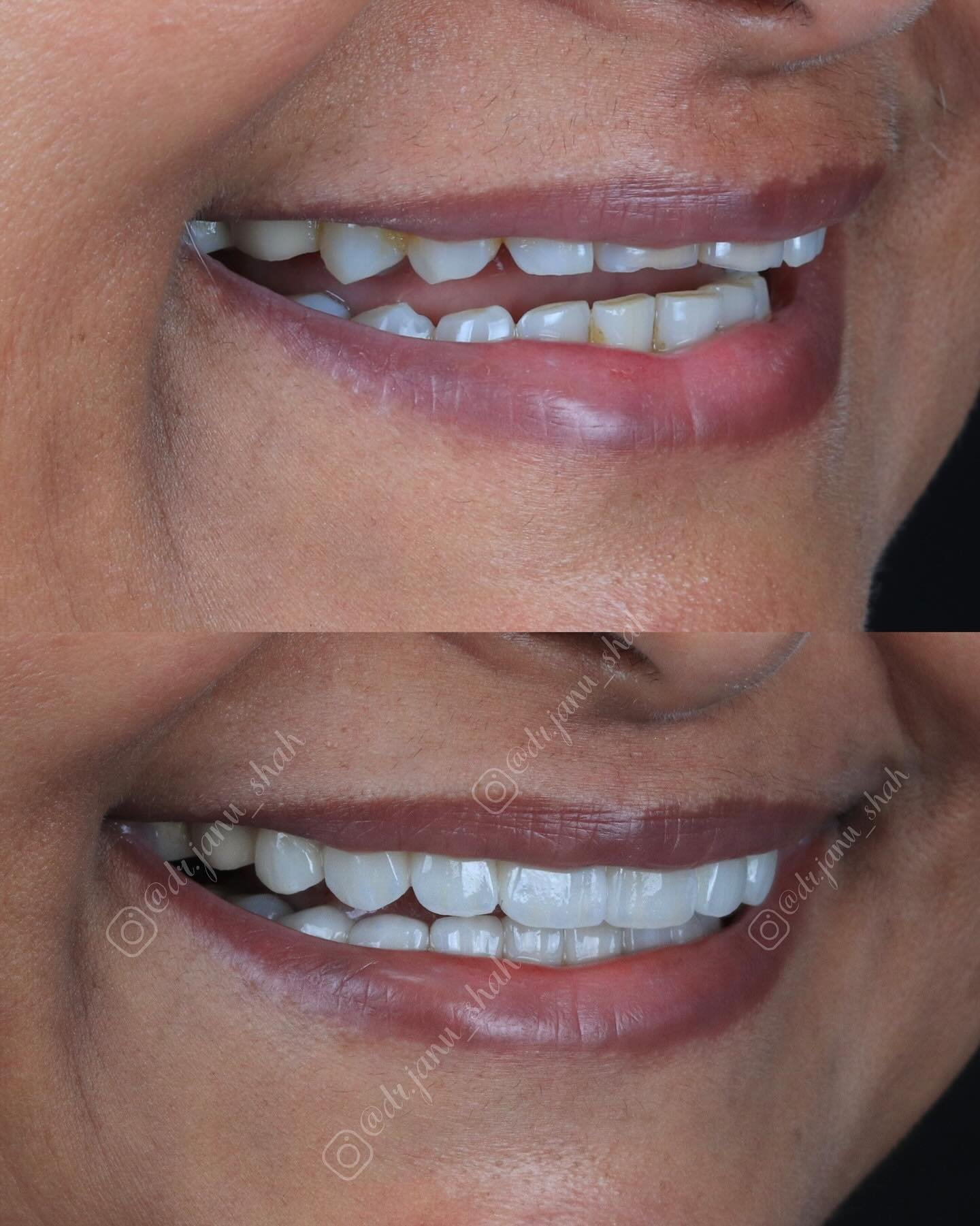
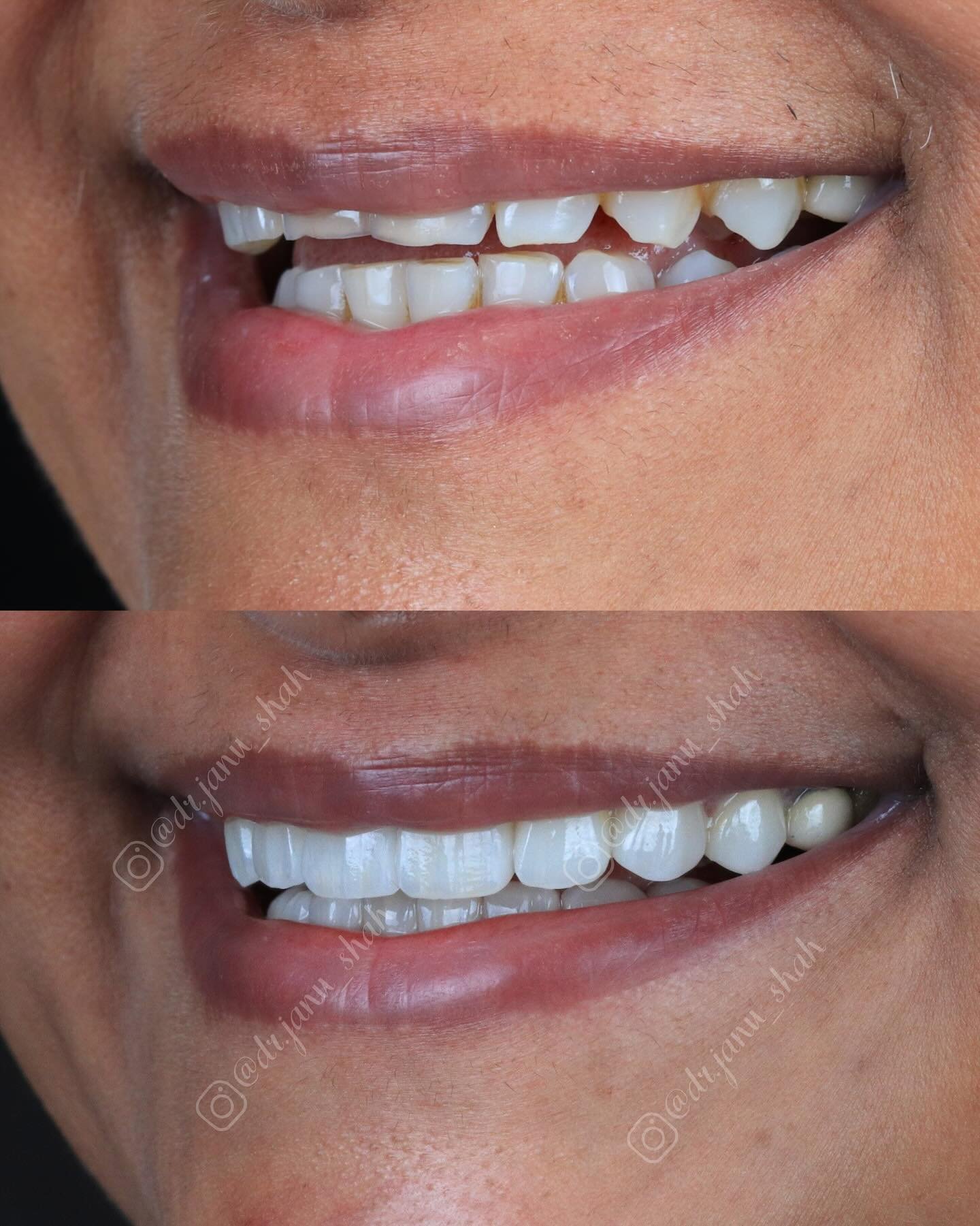
The patient’s primary complaint was a smile that looked aged and teeth that were barely visible when talking or smiling. Intraoral examination confirmed advanced wear of both upper and lower anterior teeth. The vertical dimension appeared reduced, and the incisal edges had receded due to gradual enamel loss. The case was identified as an ideal candidate for an additive approach, since sufficient enamel remained and the expected changes were largely restorative rather than subtractive.
Treatment Planning
Treatment focused on minimally invasive, additive protocols. The objectives were to restore incisal length, enhance tooth display during function and repose, and return the patient’s smile to a more youthful appearance. Upper and lower anterior veneers were chosen as the most effective way to achieve these aims with maximum tooth conservation.
Restorative Procedure
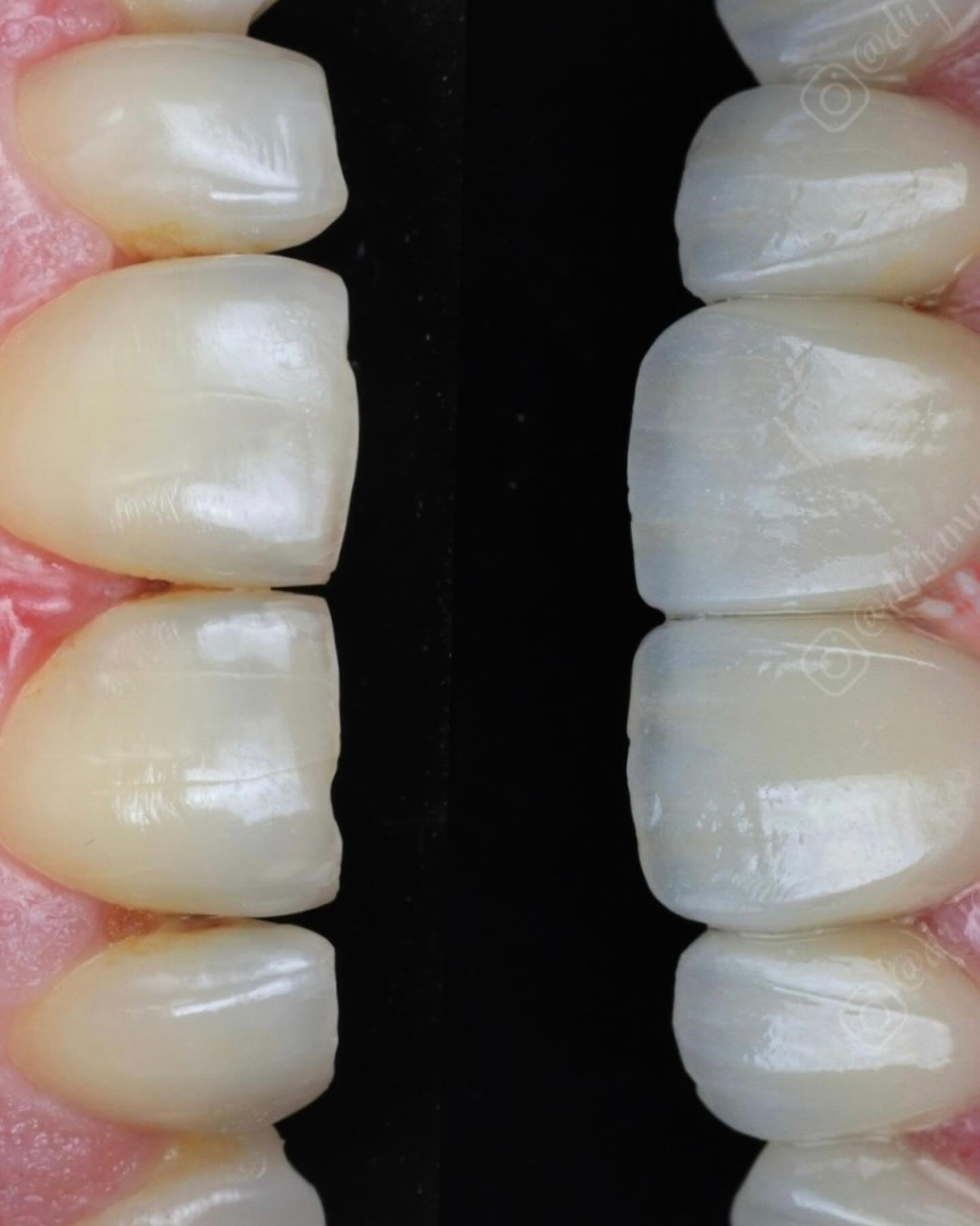
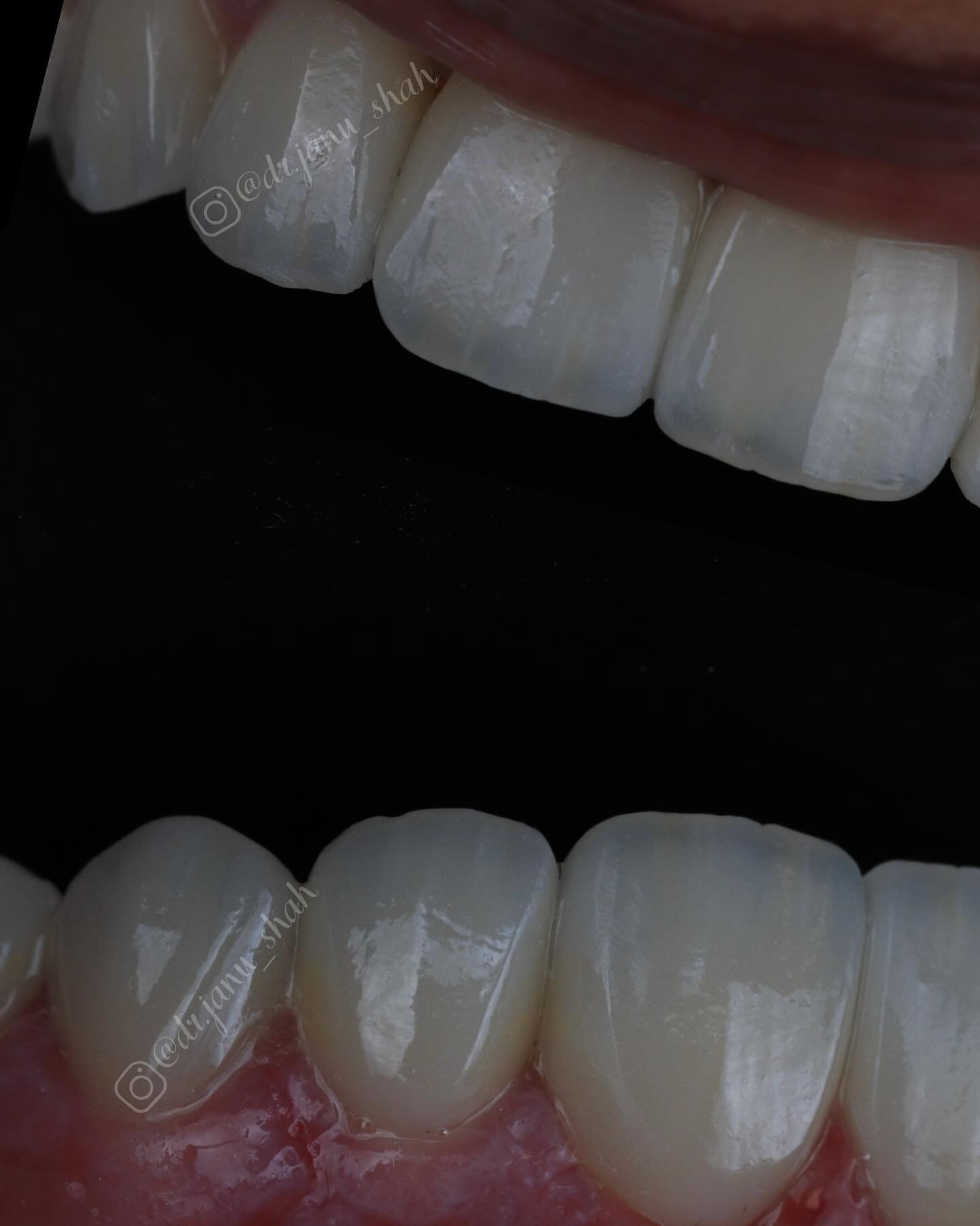
Eight upper and eight lower veneers were planned and delivered in this case. The veneer preparations were kept extremely conservative, requiring little to no reduction of natural tooth structure in most areas. Using a precise additive approach, laboratory-fabricated veneers were layered labially and incisally, restoring the original length and contour of the worn teeth. This technique allowed the entire smile to be taken back by nearly a decade in appearance, with improved brightness, symmetry, and proportionality.
Bonding protocols were employed to optimize retention while preserving enamel. Try-in and esthetic evaluation ensured that the patient’s expectations regarding tooth length, color, and display were fully met before final cementation.
Outcome
The transformation was immediate. The patient’s smile now displayed a natural, youthful contour with enhanced tooth visibility both at rest and in full smile. Years of wear were effectively reversed by the additive veneers, providing an anti-aging effect with minimal intervention. The patient expressed significant satisfaction with her renewed confidence and the natural esthetics of her rejuvenated smile.
Discussion
This case highlights the effectiveness of additive veneer protocols for patients presenting with age-related dental wear and reduced esthetic display. When selected appropriately, this minimally invasive approach preserves healthy tooth structure, avoids aggressive preparation, and achieves dramatic esthetic improvement. The technique is especially suited to cases where wear is the primary concern and the foundational enamel is sufficiently intact.
Conclusion
Aging smiles can be successfully and conservatively revitalized through additive veneer restorations. By restoring lost length and volume in a minimal-preparation fashion, it is possible to help patients look and feel years younger while maintaining dental health and structural integrity.